
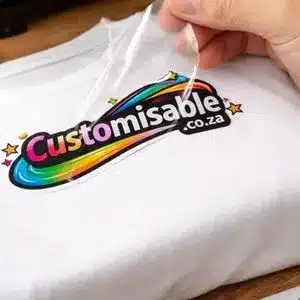
Discover the vibrant world of DTF Africa, where innovation meets opportunity. Explore the latest trends shaping the continent’s future in diverse industries.
Direct-to-Film (DTF) printing is rapidly transforming the textile and apparel customization landscape across Africa. This innovative technology offers a versatile and efficient method for transferring designs onto various fabrics, presenting significant opportunities for businesses and entrepreneurs across the continent. This blog post delves into the core aspects of DTF printing, its current trajectory in Africa, key innovations, market opportunities, and the challenges that need to be addressed for sustained growth.
Overview of the DTF (Direct to Film) Printing Process
Direct-to-Film (DTF) printing is a digital heat transfer process that allows for the creation of vibrant and durable designs on a wide array of textiles. Unlike traditional methods such as Direct-to-Garment (DTG) printing, DTF does not require pre-treatment of the fabric, making it a more versatile and often more efficient option .
The process typically involves several key components and steps:
1.DTF Printer: A specialized inkjet printer equipped with CMYK (Cyan, Magenta, Yellow, Black) and white ink channels. The white ink is crucial as it forms a base layer that enhances the vibrancy of the colors, especially on dark fabrics.
2.PET Film: Designs are printed onto a specialized polyethylene terephthalate (PET) film, which acts as a carrier for the ink.
3.Adhesive Powder: While the ink is still wet on the film, a thermoplastic adhesive powder is applied. This powder adheres to the wet ink and is then cured.
4.Curing Oven/Shaker: The powdered film is passed through a curing oven or an integrated shaker-dryer unit, where the adhesive powder melts and bonds with the ink, creating a durable transfer.
5.Heat Press: Finally, the cured film is placed onto the desired fabric (e.g., t-shirts, hoodies, caps, leather) and heat-pressed. The heat and pressure transfer the design from the film to the fabric, leaving a soft, stretchable, and wash-resistant print .
This method’s ability to print on diverse materials like cotton, polyester, blends, nylon, and even leather, coupled with its high durability and stretchability, makes it an attractive solution for custom apparel and branding needs.
Current Trends in DTF Printing in Africa
The African DTF printing market is experiencing dynamic growth, largely fueled by the expansion of e-commerce and a burgeoning demand for customized products. Several trends are shaping its development:
•E-commerce Boom: The rapid growth of online retail platforms across Africa has created a significant demand for personalized apparel and merchandise. DTF printing, with its ability to produce high-quality, on-demand prints, is perfectly positioned to serve this market .
•Rise of Small and Home-Based Businesses: The relatively lower entry barrier for DTF technology, particularly with affordable A3/A4 desktop setups, has empowered numerous small and home-based entrepreneurs. This has fostered a vibrant ecosystem of custom printing services .
•Reseller Models: A popular business model involves specialized DTF print shops producing”gang rolls” (multiple designs on a single film roll) which are then sold to resellers who only require a heat press to apply the designs. This model lowers the entry cost for many small businesses .
•Emerging Regional Hubs: Countries like South Africa, Kenya, Nigeria, and Madagascar are becoming significant hubs for DTF technology adoption and distribution, with local partnerships and suppliers strengthening the market .
Innovations Driving DTF Technology
The DTF industry is characterized by continuous innovation, with advancements aimed at improving efficiency, quality, and environmental sustainability. Key innovations impacting the African market include:
•Powder Shakerless Technology: Newer DTF systems are integrating powder application and curing processes, often eliminating the need for separate powder shakers. This reduces equipment footprint, noise, and operational complexity .
•AI-Powered RIP Software: Raster Image Processor (RIP) software, essential for translating digital designs into printable formats, is becoming more sophisticated with AI integration. This leads to optimized ink consumption, enhanced color accuracy, and improved print quality .
•Hybrid UV-DTF: An exciting development is Hybrid UV-DTF technology, which extends the application of DTF beyond textiles to hard, rigid surfaces like mugs, phone cases, and promotional items. This opens up new revenue streams for businesses .
•Sustainable Inks and Processes: There’s a growing emphasis on environmentally friendly solutions, with water-based pigment inks becoming more prevalent. Manufacturers are also working on reducing waste and energy consumption throughout the DTF process .
•Increased Automation: Integrated printer-shaker-dryer units are becoming more common, streamlining the production workflow and enabling higher volume output with less manual intervention .
Key Opportunities for Businesses in DTF Africa
The burgeoning DTF market in Africa presents a wealth of opportunities for entrepreneurs and established businesses alike:
•Custom Apparel and Fashion: The demand for personalized clothing, including t-shirts, hoodies, sportswear, and uniforms for schools and corporate entities, is a major driver. DTF allows for intricate designs and small batch production, catering to individual preferences and niche markets .
•Print-on-Demand (POD) Services: DTF is ideal for POD business models, enabling online retailers and designers to offer customized products without holding large inventories. This reduces risk and overheads .
•Local Manufacturing and Value Addition: By adopting DTF technology, African businesses can reduce their reliance on imported pre-printed transfers, fostering local manufacturing capabilities and adding significant value to their products .
•Niche Market Customization: Beyond standard apparel, DTF can be used for customizing items like leather goods, bags, and even traditional African fabrics such as Ankara and Kente, opening up unique cultural and fashion market segments.
•Promotional Products: Businesses can leverage DTF to create branded promotional items for events, marketing campaigns, and corporate gifting, offering a cost-effective and high-quality solution.
Challenges Facing the DTF Industry in Africa
Despite its immense potential, the DTF industry in Africa faces several challenges that need careful consideration:
•Climate Control: The high heat and humidity prevalent in many African regions can significantly impact DTF printing. These conditions can lead to ink clogging, premature drying of ink, and clumping of adhesive powder, necessitating climate-controlled environments (ideally 20-25°C and 40-60% humidity) .
•Power Stability: Frequent power outages and fluctuations, particularly in countries experiencing load shedding, pose a significant threat to DTF printers. Sudden power cuts can damage sensitive printheads and disrupt ongoing print jobs, requiring reliable UPS systems and power stabilizers .
•Technical Support and Spare Parts: The availability of skilled technicians for maintenance and repair, as well as readily accessible spare parts, can be limited in some African regions. This often leads to reliance on imported components and longer downtime .
Case Studies: Successful DTF Businesses in Africa
Several businesses across Africa are successfully leveraging DTF technology, demonstrating its viability and potential:
•Maizey Plastics and Gencotech (South Africa): This partnership exemplifies a strategic collaboration to introduce cutting-edge DTF solutions to the South African market. By combining Maizey’s extensive distribution network and customer service with Gencotech’s technical expertise, they provide professional-grade DTF systems, including high-performance inks and TPU hotmelt powder, offering comprehensive support to local businesses .
•Morjay Graphics (Kenya): Morjay Graphics serves as a key enabler for DTF entrepreneurs in Kenya. They offer a range of DTF printers, heat presses, and consumables, along with crucial training. Their guidance helps new businesses navigate startup costs, with entry-level setups estimated to begin around KShs 310,000 (approximately $2,300 USD), demonstrating a viable path to profitability within 6-12 months with consistent client engagement .
These examples underscore the diverse business models and regional successes within the African DTF landscape, from equipment suppliers and trainers to specialized transfer producers.
Future Predictions for DTF Printing Africa
The future of DTF printing in Africa appears promising, with several key developments expected:
•Accelerated Market Growth: While global DTF market growth is projected at a CAGR of 10-12%, Africa is anticipated to experience even faster adoption rates. This is driven by the continent’s growing textile industry, increasing disposable income, and a youthful, fashion-conscious population .
•Increased Localized Production and Distribution: To mitigate challenges related to import costs and lead times, there will likely be a rise in local manufacturing or assembly of DTF consumables (inks, films, powders) and an expansion of local distribution networks. This will make the technology more accessible and affordable .
•Integration with Artificial Intelligence: AI is expected to play a larger role in optimizing the entire DTF workflow, from design creation and color management to predictive maintenance for printers, further enhancing efficiency and reducing waste .
•Expansion into New Applications: Beyond apparel, DTF technology, particularly Hybrid UV-DTF, will likely see increased adoption in diverse sectors such as promotional items, interior decor, and industrial labeling, broadening its market reach.
How to Get Started with DTF Printing
For aspiring entrepreneurs and businesses looking to venture into DTF printing in Africa, a strategic approach is essential:
1.Conduct Thorough Market Research: Identify your target niche (e.g., corporate branding, fashion, sportswear, personal gifts) and understand the local demand and competition. This will inform your business model and product offerings.
2.Select Appropriate Equipment: Start with an entry-level desktop (A3) DTF printer to test the market and build a client base, then scale up to larger roll-to-roll (60cm) systems as demand grows. Consider integrated units for efficiency.
3.Establish a Controlled Environment: Invest in climate control solutions (air conditioning, dehumidifiers) to maintain optimal temperature and humidity levels (20-25°C, 40-60% humidity) to prevent common issues like ink clogging and powder clumping. Secure a stable power supply with UPS/stabilizers.
4.Source Reliable Consumables: Identify and partner with reputable local or regional suppliers for high-quality DTF inks, films, and adhesive powders. Prioritize suppliers who offer consistent product quality and good after-sales support.
5.Develop a Strong Marketing Strategy: Leverage digital platforms, especially social media (Instagram, TikTok, Facebook), to showcase your work, engage with potential customers, and build your brand. Offer samples and collaborate with local designers or influencers.
6.Invest in Training and Skill Development: While many suppliers offer basic training, continuous learning in design software, printer maintenance, and new DTF techniques will be crucial for staying competitive.
Searching For DTF Printing Cape Town
vocarius is your go-to spot for high-quality DTF prints that bring your ideas to life. DTF (Direct-to-Film) printing is our many services we offer at vocarius. Even though we are based in Cape Town, we do ship nationally…so don’t let location stop you from trying our quality prints.
Take control of the design, place order and we will do the rest. Our printing Gangsheets are available in various sizes meaning you can fit as many of your images into those size sheets. So go ahead and use our Simple Stories – Simple Vintage Lavender Fields – Bits & Pieces. If you are interested on our machines can be found at Locor.
Conclusion: The Future of DTF Africa
DTF printing is more than just a trend; it represents a significant technological advancement with the potential to revolutionize the custom apparel and branding industries across Africa. Its versatility, efficiency, and relatively low entry barrier make it an attractive proposition for entrepreneurs seeking to tap into the continent’s growing demand for personalized products. While challenges related to climate, power infrastructure, and technical support exist, strategic planning, investment in appropriate technology, and a focus on quality and customer service can pave the way for substantial success. As innovations continue to emerge and local ecosystems strengthen, the future of DTF in Africa is poised for vibrant growth, empowering a new generation of creative and entrepreneurial ventures.
Don’t forget that we also sell a wide variety of Garden Forks, Filter Parts, Cotton Fabric, and other crafting goodies. Our Sauce / Paste and Open Ended Spanners is compatible with both Cricut and Silhouette machines.